

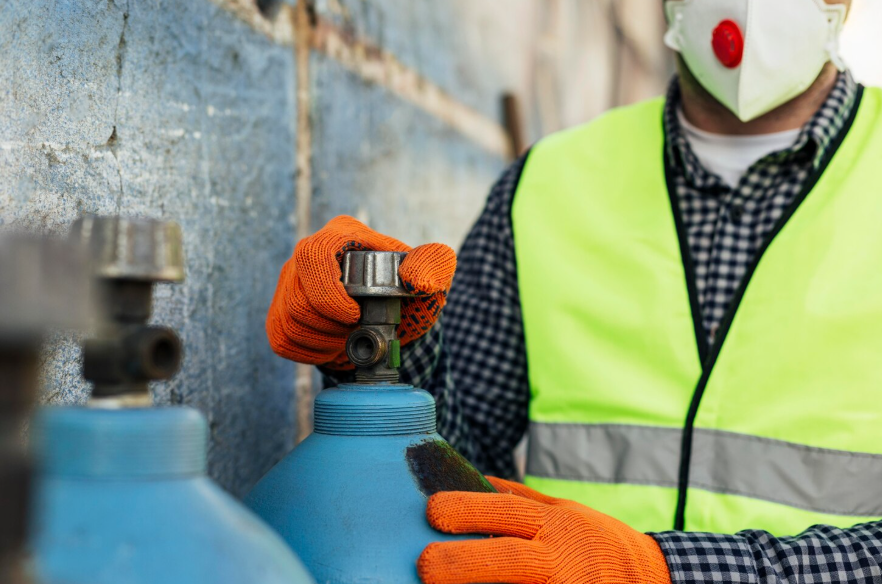
Adding a new fuel tank is not something most people do every day, so it is normal to have questions before getting started. A little planning can make the whole process much smoother and help you avoid problems later.
From choosing the right location to thinking about future maintenance, every step matters. The goal is not just to install a tank but to make sure it works safely and reliably for many years without creating unnecessary headaches.
Know Your Needs
Before choosing a fuel tank, think about how much fuel your property actually uses. A small home may need a different size than a large property or a business. Buying a tank that fits your needs can help avoid running out too often or paying for more storage than you really need.
It is also worth thinking about where the tank will go and what type suits your property best. Consider the available space, how fuel deliveries will reach the tank, and whether the location will remain convenient in the future.
Pick A Safe Spot
Location is one of the most important decisions. A fuel tank should sit on a stable, level surface that can support its weight. It also needs enough space around it for safe access during deliveries, inspections, and routine maintenance.
Avoid placing the tank too close to busy driveways, large trees, or areas where vehicles and equipment could accidentally bump into it. It is also smart to avoid low spots where water may collect after heavy rain. A safe location helps protect both the tank and the property around it.
Plan Fuel Tank Installation
Proper planning makes fuel tank installation much easier from start to finish. Before work begins, the installation area should be prepared and cleared of anything that could get in the way. This allows the project to move more smoothly and helps reduce unnecessary delays.
During the installation process, professionals position the tank, make the required connections, and check that everything is working correctly. Careful preparation also makes it easier to access the site with equipment and delivery vehicles.
Keep It Protected
Once the tank is installed, regular care helps keep it in good condition. Walk around it from time to time and look for signs of wear, damage, or anything unusual. Catching small problems early is much easier than dealing with major repairs later.
Keep the surrounding area clear of weeds, rubbish, and anything that blocks access. This makes inspections simpler and reduces the chance of accidental damage. If vehicles operate nearby, take extra care to prevent bumps or impacts.
Think Long Term
A fuel tank is a long-term part of your property, so it deserves regular attention rather than being forgotten after installation. Simple maintenance, routine inspections, and following safe operating habits all help extend its lifespan and keep it working as expected.
Planning ahead also makes future maintenance easier. Keep important records in one place and schedule inspections when needed instead of waiting for problems to appear. Small efforts today can reduce repair costs, improve safety, and help your fuel tank provide dependable service for many years to come.
