

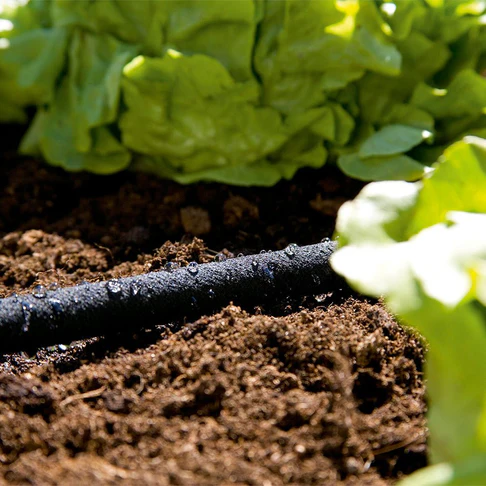
A well-planned lawn irrigation system design is one of the most important investments for maintaining a healthy, vibrant landscape in 2026. Whether you’re a homeowner or property manager, a properly engineered irrigation system ensures efficient water use, reduced utility costs, and consistent lawn health year-round. In today’s climate-conscious world, smart irrigation planning is no longer optional, it’s essential.
This guide breaks down modern strategies, design principles, and expert insights to help you understand how professional lawn irrigation system design can transform your outdoor space while improving sustainability and long-term property value.
Why Lawn Irrigation System Design Matters More Than Ever
Modern landscapes face increasing challenges: unpredictable weather patterns, water restrictions, and rising utility costs. A strategic lawn irrigation system design addresses these challenges by delivering water precisely where and when it’s needed.
Instead of relying on outdated manual watering methods, today’s systems are engineered for:
- Targeted water distribution
- Reduced runoff and waste
- Soil-specific hydration control
- Smart automation and scheduling
A professionally designed system doesn’t just water your lawn, it actively protects your investment in landscaping.
Core Principles of Effective Lawn Irrigation System Design
A successful irrigation system is built on science, not guesswork. Below are the foundational principles professionals follow when creating efficient systems.
1. Hydro-Zoning for Precision Watering
Hydro-zoning separates your landscape into areas based on water needs. For example:
- Grass lawns require frequent, shallow watering
- Shrubs need deeper, less frequent irrigation
- Flower beds may require drip irrigation systems
This zoning approach ensures every plant receives the correct amount of water without overwatering or underwatering.
2. Proper System Pressure and Flow Rate Balance
Water pressure and flow rate directly impact system efficiency. Poor calibration leads to uneven coverage, dry patches, or wasted water.
An optimized lawn irrigation system design ensures:
- Even sprinkler head performance
- Balanced water distribution across zones
- Reduced system wear and tear
Correct hydraulic balancing also extends equipment lifespan and minimizes costly repairs over time.
3. Smart Controller Integration
Modern systems increasingly rely on smart irrigation controllers that adjust watering schedules based on:
- Weather forecasts
- Soil moisture levels
- Seasonal changes
This technology eliminates guesswork and significantly improves water efficiency, making irrigation systems more sustainable than ever before.
Step-by-Step Lawn Irrigation System Design Process
Understanding how professionals build irrigation systems helps homeowners make informed decisions. Here’s a simplified breakdown of the process.
Step 1: Site Evaluation
Every design begins with a thorough site analysis, including:
- Soil type assessment
- Sunlight exposure mapping
- Slope and drainage review
- Existing vegetation analysis
This step ensures the system is customized to the landscape’s unique needs.
Step 2: Water Source and Pressure Testing
Before installation, professionals test:
- Available water supply
- PSI (pressure levels)
- Flow capacity per minute
These measurements determine how many zones and sprinkler heads can operate efficiently.
Step 3: Zone Planning and Layout Design
Next, the property is divided into irrigation zones. A well-structured lawn irrigation system design ensures that each zone has:
- Similar water requirements
- Balanced sprinkler coverage
- Minimal overlap or dry spots
Proper layout reduces inefficiency and long-term maintenance issues.
Step 4: Equipment Selection
Choosing the right components is critical. Common elements include:
- Rotor sprinklers for large lawns
- Spray heads for smaller areas
- Drip irrigation for gardens and shrubs
- Backflow preventers for water safety
- Smart controllers for automation
High-quality components significantly extend system lifespan and performance.
Step 5: Installation and Calibration
During installation, precision matters. Professionals ensure:
- Correct pipe depth and alignment
- Leak-free connections
- Proper sprinkler head positioning
- Accurate spray radius adjustments
Once installed, the system is calibrated to ensure optimal coverage and efficiency.
Common Lawn Irrigation Design Mistakes to Avoid
Even small design errors can lead to major inefficiencies. Here are the most common mistakes homeowners should avoid:
- Overlapping sprinkler coverage causing water waste
- Ignoring slope and drainage patterns
- Using a one-size-fits-all watering approach
- Skipping pressure regulation
- Failing to upgrade to smart irrigation controls
Avoiding these mistakes can dramatically improve system performance and reduce water bills.
Benefits of a Professionally Designed Irrigation System
Investing in expert lawn irrigation system design delivers long-term advantages beyond just convenience.
Water Efficiency and Cost Savings
Properly designed systems reduce water usage by up to 30–50%, lowering monthly utility costs.
Healthier Landscapes
Consistent and balanced watering promotes deeper root growth, greener lawns, and stronger plant health.
Increased Property Value
Well-maintained landscaping improves curb appeal and boosts overall property value.
Reduced Maintenance Effort
Automated systems eliminate manual watering and reduce long-term maintenance demands.
The Role of Smart Technology in 2026 Irrigation Systems
In 2026, irrigation design is heavily influenced by smart technology. Advanced systems now include:
- AI-driven watering schedules
- Mobile app control
- Real-time moisture sensors
- Rain delay automation
These features make modern lawn irrigation system design more efficient, responsive, and environmentally responsible than ever before. They also allow homeowners to monitor water usage in real time and make instant adjustments from anywhere, improving both convenience and long-term system performance. This also reduces water waste while improving landscape consistency across seasonal changes in real time.
Sustainable Landscaping Starts with Smart Irrigation
Sustainability is now a core focus of landscape design. Efficient irrigation systems help conserve water while maintaining beautiful outdoor environments.
Eco-friendly design practices include:
- Using drip irrigation for targeted watering
- Installing rain sensors
- Selecting drought-resistant plants
- Designing for natural water flow
A sustainable irrigation system is not just good for your lawn, it’s good for the planet. It also reduces long-term maintenance costs while supporting healthier soil ecosystems and more resilient landscapes overall, making modern irrigation systems essential for climate-smart, cost-efficient, and sustainable property management in 2026 today.
Investing in the Right Lawn Irrigation System Design
A professionally planned lawn irrigation system design is one of the smartest upgrades you can make for your property. It combines technology, engineering, and environmental awareness to deliver long-lasting results.
From reducing water waste to improving lawn health and property value, the benefits are both immediate and long-term. As climate conditions continue to evolve, efficient irrigation design will remain a critical part of responsible landscape management.
If you’re considering upgrading or installing a new irrigation system, working with experienced professionals ensures your system is built for performance, durability, and sustainability.
For expert guidance and professional irrigation solutions, visit:redwoodoutdoordesigns.
