

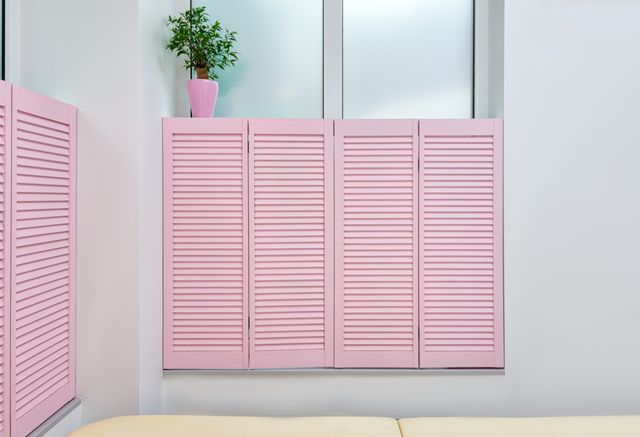
Windows play an important role in shaping the appearance, atmosphere and comfort of a home. They allow natural light to enter, connect indoor spaces with the outdoors and influence how a room feels throughout the day. Choosing the right window treatments can enhance these benefits while providing privacy, managing glare and complementing the overall interior design.
Modern homeowners have plenty of options, from elegant curtains and streamlined roller blinds to versatile shutters. The best choice depends on the property’s architecture, the purpose of each room and the homeowner’s preferences. By balancing practical requirements with visual appeal, it is possible to create window designs that remain attractive and functional for years.
1. Embrace Natural Light With Thoughtful Window Treatments
Natural light can make a room feel more open and welcoming. However, excessive sunlight may cause glare, particularly in living rooms, home offices and spaces with large windows. Effective window treatments help homeowners manage the amount of light entering a room without compromising its overall appearance.
Light-filtering blinds can soften direct sunlight while maintaining a bright atmosphere. Sheer curtains provide a gentle decorative layer, while adjustable shutters offer greater flexibility over the direction of incoming light.
When choosing a treatment, consider the window’s orientation and how sunlight changes throughout the day. A room that receives strong afternoon sun may need a different solution from one that receives softer morning light.
The colour and finish of the window treatment also matter. Lighter colours can complement bright, airy interiors, while darker finishes may create contrast in rooms with neutral walls and understated furnishings.
2. Choose Window Coverings That Complement Your Interior Style
Window coverings should work alongside the furniture, flooring, wall colours and architectural details already present in a room. A coordinated approach helps create a consistent interior rather than making the windows feel like an afterthought.
For contemporary homes, simple roller blinds and clean-lined shutters can complement minimalist furniture and uncluttered spaces. Traditional properties may benefit from layered curtains or timber finishes that reflect their existing character.
Coastal-inspired interiors often use light colours, natural textures and relaxed decorative elements. In these spaces, carefully selected window treatments can reinforce the overall theme without overwhelming the room.
It is also worth considering the visual proportions of the window. Floor-length curtains may add height to a room, while shutters can create a structured appearance around individual windows. The ideal solution depends on the available space and the desired effect.
Before purchasing anything, collect a few colour samples and compare them with the room’s existing finishes under natural and artificial lighting.
3. Consider Plantation Shutters for Flexible Light and Privacy Control
Some window treatments are chosen primarily for decoration, while others provide greater control over everyday living conditions. Plantation shutters combine a distinctive architectural appearance with adjustable louvres that allow occupants to manage daylight and privacy.
Their structured design can suit a variety of interiors, including contemporary homes, traditional properties and coastal-inspired spaces. Depending on the material and configuration, they may be suitable for living rooms, bedrooms and selected other areas of the home.
For example, homeowners with street-facing windows may prefer to angle the louvres to limit direct views from outside while allowing some daylight into the room. In a living area, the louvres can be adjusted as sunlight moves throughout the day.
Those exploring different designs can learn more about Plantation shutters and consider how their appearance, material and operating style might complement a particular room.
It is important to compare product specifications before making a decision. Timber, PVC and composite options can have different maintenance requirements and levels of suitability for humid environments. Window dimensions, frame design and opening clearance should also be considered before installation.
4. Match Window Treatments to the Purpose of Each Room
A practical window design starts with understanding how each room is used. Different spaces require different levels of privacy, light control and convenience.
Living rooms
Living areas often benefit from flexible daylight management. Curtains, blinds or shutters can help balance outside views with privacy, while their colours and finishes contribute to the room’s decorative style.
Bedrooms
Bedrooms may require stronger light control, especially when windows face streetlights or receive early morning sunlight. Depending on the household’s needs, room-darkening curtains or suitable blinds may be worth considering alongside other window treatments.
Kitchens
Kitchen window coverings should be selected with cleaning, ventilation and proximity to cooking areas in mind. Easy-to-clean materials may be practical, particularly around windows exposed to grease, steam or frequent splashes.
Bathrooms
Privacy and moisture resistance are important considerations in bathrooms. Choose products specifically suited to the environment, and check the manufacturer’s guidance before installing timber or other moisture-sensitive materials.
Taking a room-by-room approach can prevent homeowners from choosing a single style that looks attractive but does not meet every space’s practical requirements.
5. Explore Window Design Options for Melbourne Homes
Melbourne properties vary considerably, ranging from heritage houses and suburban family homes to modern townhouses and apartments. This variety means that window treatments should be selected according to the building’s character and the requirements of each room.
Seasonal changes, sunlight exposure and neighbouring buildings can all influence the decision. Rooms facing busy streets may require additional privacy, while spaces exposed to strong afternoon sunlight may benefit from adjustable light control.
Homeowners researching Plantation shutters Melbourne can compare styles and material options before deciding what may work best for their property. It is useful to consider the window dimensions, existing interior finishes, installation requirements and maintenance expectations together rather than focusing on appearance alone.
For older properties, a design that complements the original architectural details may create a more cohesive result. In newer homes, simple profiles and neutral finishes can work well with contemporary interiors.
It is also important to assess comfort realistically. Window coverings can influence light and privacy, but their contribution to insulation and noise reduction depends on the specific product, the window assembly and the way everything is installed.
6. Make Small Windows and Large Openings Work Better
Window size and configuration can influence both the appearance and functionality of a room. Small windows may benefit from simple treatments that do not visually overwhelm the available space, while large windows and glazed doors often require more careful planning.
For smaller rooms, streamlined blinds or appropriately fitted shutters can maintain a neat appearance. Selecting colours that coordinate with the walls may help the overall design feel less crowded.
Large openings require attention to accessibility and operation. Consider how doors open, where furniture is positioned and whether the window treatment will obstruct handles or walkways. Sliding or bi-fold configurations may be suitable in some applications, depending on the available product and installation space.
For unusually shaped windows, professional measuring can help establish which options are practical before an order is placed.
7. Prioritise Maintenance and Long-Term Practicality
An attractive window treatment should also fit the household’s cleaning routine and long-term expectations. Some fabrics require periodic laundering, while blinds and shutters may need regular dusting and occasional wiping.
Before choosing a product, ask about the recommended cleaning method, material durability, operating mechanism and any care restrictions. Windows in kitchens, bathrooms and high-traffic areas may require different materials from those used in formal living rooms.
Accurate measurements and suitable installation are equally important. A poorly fitted treatment may interfere with window operation or fail to provide the intended level of privacy. For complex installations, professional advice can help identify potential issues before work begins.
It is also sensible to compare the total cost, including measuring, installation and any additional components. A clear understanding of these requirements makes it easier to select a solution that fits both the budget and the intended use.
Conclusion
Thoughtful window design combines visual appeal with everyday practicality. The right treatments can help homeowners manage natural light, improve privacy and create interiors that feel consistent with the property’s overall style.
By considering room function, sunlight exposure, material suitability, window dimensions and maintenance requirements, homeowners can make more informed decisions. Whether choosing curtains, roller blinds or shutters, the goal is to find a solution that meets the household’s needs while complementing the home’s architecture and interior design.
